


Understanding Changes in Auditory Perception
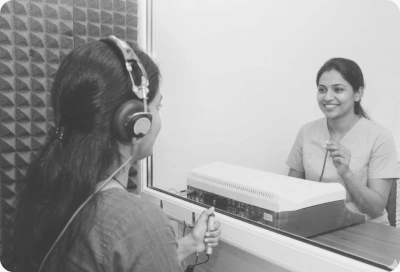
Sound perception and hearing are crucial aspects in everyday life, whether you are talking to a beloved one or perceiving everything around you. Approximately one in six individuals experiences changes in hearing, often beginning subtly with missed tones, difficulty following conversations, or frequent requests for repetition.
Early identification and hearing intervention are essential to maintaining effective communication, social engagement, and overall well-being. Recognising auditory changes early can prevent further complications and enhance your quality of life.
Early Signs of Hearing Loss
Hearing changes often begin subtly. Recognising these early signs can help you take timely action.
1. Difficulty following conversations
You may find it hard to keep up with group conversations, especially when there is background noise.

2. Phone conversations are unclear
Understanding speech over the phone becomes difficult, even in quiet environments.

3. People seem to be mumbling
You may often feel that others are not speaking clearly or ask them to repeat themselves.

4. Difficulty locating sounds
It becomes harder to tell where sounds are coming from.

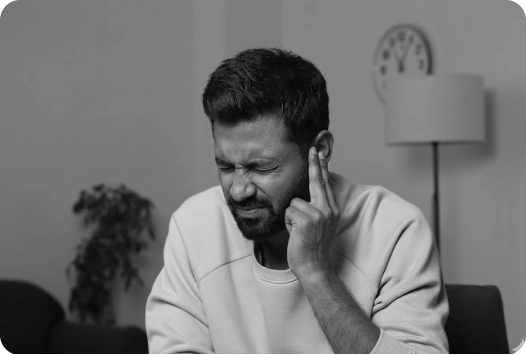
5. Signs of tinnitus
You may notice ringing, buzzing, or other sounds in your ears.
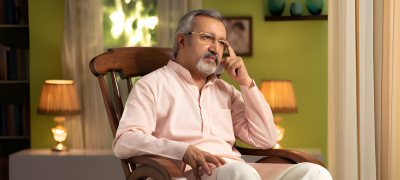
6. Turning up the TV too loud
Others may point out that the volume is louder than usual.

1 of 2
Check Your Hearing
Not sure if your hearing has changed?

Feeling fatigued from listening

Turning up the volume on devices

Struggling in noisy spaces
Early assessment protects your hearing and keeps life connected.
Speak to an AudiologistWhy Early Intervention Matters

Even mild changes can impact relationships, work, and confidence. Without timely intervention, individuals may feel isolated or fatigued, and research links untreated auditory loss to cognitive decline and higher dementia risk.
Modern hearing aids and assistive devices, combined with professional assessment, restore clarity and reintroduce everyday sounds with comfort and precision.
What Happens If Hearing Loss Is Left Untreated?
Untreated hearing loss can gradually affect more than just your ability to hear. Over time, it may impact communication, confidence, and social interactions, making everyday situations more challenging. Many individuals begin to withdraw from conversations or avoid environments where listening feels difficult.
Research also shows a connection between untreated hearing loss and cognitive decline, increased listening fatigue, and reduced overall well-being. Addressing hearing changes early helps you stay connected, active, and engaged in daily life.
Common Causes of Hearing Loss
Hearing changes can affect anyone, young or old. Some common causes include
- Long-term exposure to loud music or workplace noise
- Age-related changes in the inner ear
- Ear infections or head injuries
- Certain medications or medical conditions
- Genetic factors
Types of Auditory Challenges
Medical professionals classify sound perception loss into three main types
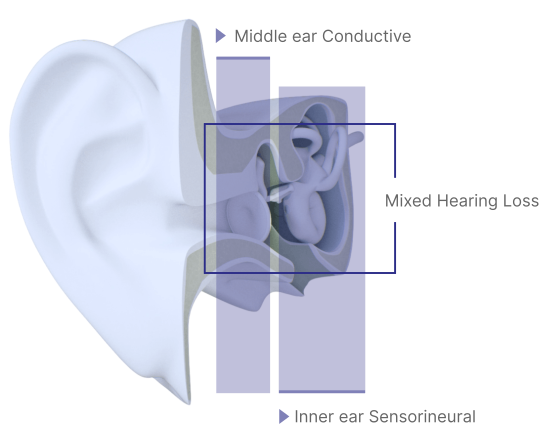

Conductive Hearing Loss
Difficulty transmitting sound through the outer or middle ear

Sensorineural Hearing Loss
Damage to the inner ear or auditory nerve.

Mixed Hearing Loss
A combination of conductive and sensorineural factors
Regardless of type, any reduction in sound clarity can impact quality of life, communication, and personal safety.
Understanding Tinnitus and Its Impact
Tinnitus, experienced as ringing, buzzing, or clicking in the ears, affects 10–15% of people worldwide. It can be constant or occasional, mild or severe, and may disrupt concentration and everyday interactions.

Recognising tinnitus alongside other changes in auditory perception is critical for maintaining communication, social engagement, and overall hearing health.
Protecting Your Hearing
Simple steps can help protect your hearing over time


1. Limit exposure to loud environments


2. Use ear protection when needed
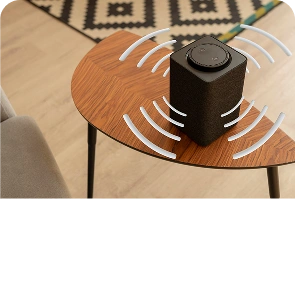

3. Keep volume levels moderate on devices


4. Take breaks from continuous noise exposure
1 of 3
Connect With Our Specialists
Contact us today to schedule a hearing evaluation and take the first step towards clearer hearing.
Get StartedFAQ - Hearing Loss
Hearing loss can result from:
- Excessive exposure to loud sounds
- Age-related changes
- Head injuries or medical conditions
- Certain medications
- Genetic factors
Not always. Most people adjust over time to the slightest of changes, like having trouble hearing in a noisy place or needing to increase device volume. Early intervention and detection are provided by professional evaluation.
Hearing challenges can occur at any age. While age-related changes are common, younger individuals may experience auditory changes due to noise exposure, medical conditions, or lifestyle factors.
Success depends on a thorough assessment by a qualified audiologist. Personalised fitting and programming ensure optimal performance, allowing devices to adapt to your specific needs and listening environments.